Related: Best Squat Racks for a Garage Gym That Gets Loaded
I failed a squat at 495 lb in a garage in Charlotte, North Carolina. The safety bars caught it. That is the entire job description of the steel you are about to buy, and it is why I read a squat rack the way I read a weld: penetration first, powder coat later.
Most people assemble a home gym squat rack and dumbbells setup in the wrong order. They buy the plates, then the bar, then squeeze a rack into whatever money is left over. The rack is the one piece of equipment that has to outlive every other piece you own. Bars wear out. Plates get sold. The rack is what stands between a missed rep and your neck.
I have assembled, loaded, and deliberately abused nine racks in six years. One bowed at 405. One wall-mount pulled its top bolts straight out of a stud. I keep a grease-pencil logbook of tube gauge, weld penetration, bolt torque, and the exact weight where the wobble starts. None of that makes me smarter than you. It just means I already paid for these lessons, so you do not have to.
Here is how I look at four pieces that end up in a lot of first garages: an adjustable rack rated to 600 lb, two adjustable dumbbell systems with very different ceilings, and a set of rubber hex dumbbells that does the one job dial sets are bad at.
The Foundation: K KiNGKANG Squat Rack
The KiNGKANG rack is rated at 600 lb and it adjusts, which puts it in the range where most home lifters actually live. Understand what that rating is. A 600 lb rating is a claim, not a measurement. On a rack that ships in one box, that number is doing different work than it would on a 300 lb welded frame, so before I trust any capacity sticker I check four things.
- Tube gauge. 11-gauge steel is the standard for a rack that gets loaded. 14-gauge is what you find hiding under stickers nobody should believe.
- Weld penetration. A pretty bead with no penetration is a lie wearing a tuxedo. Look at the base joints and the upright-to-foot welds first, because that is where a rack folds.
- Hardware. Grade-8 bolts or better. Hardware store bolts in a rack tell you something about everything else in the box.
- J-hooks and safety arms. Cheap hooks tip when you re-rack crooked. Safety arms rated below your squat are decoration, not safety equipment.
The adjustability is the practical part of this design. You can set the uprights for squats, drop them for bench work, and move the hooks without pulling the whole thing apart. That matters more than people give it credit for, because a rack that only works for one lift tends to get used for one lift.
If you bolt it down, put the anchors into a slab, not into a wooden floor over joists. If you leave it flat-foot, know that flat-foot always gives up a little stability to a bolted base. I put off bolting my own rack for a year. Do as I say, not as I did.
The Space-Saver: SMRTFT NUOBELL Adjustable Dumbbells
The NUOBELL set ends the argument about floor space. It runs 5 to 100 lb per hand and replaces what would otherwise be 26 pairs of dumbbells sitting on a rack you do not have room for. That is the whole pitch, and at 100 lb per hand it is a ceiling most adjustable sets never reach.
The handle is steel-knurled, and that matters more than the marketing copy suggests. Knurled steel gives you grip without the slickness of rubber or plastic, and it holds up to chalk and sweaty hands better than a cheap chrome handle does. This is a set of two with a 2-year warranty, and the weight changes happen at the handle instead of at a loading pin or a stack of loose plates.
Two things to understand before you buy a dial set at this level. First, dial mechanisms do not like being dropped. If you train dumbbell bench or heavy rows to true failure, you set the weight down, you do not release it. Second, changing weight takes a second or two. That is faster than loading plates and slower than grabbing a fixed pair off a rack, so it changes how you structure drop sets.
If your top end is a 60 lb dumbbell press, this set is more than you need. If you are chasing a 100 lb press or you row heavy, the ceiling here is the whole reason to buy it.
The Mid-Range Dial Set: ALTLER Adjustable Dumbbell Set
The ALTLER pair goes 25 to 52 lb per hand and comes with a tray. Same dial idea, half the ceiling, and a footprint small enough to live under a bench.
The anti-slip handle is the part that matters for the work this set is actually good at: curls, lateral raises, triceps work, rear delts, split squats. Those are the movements where a fixed pair is convenient and a heavy pair is useless. A 52 lb ceiling covers a lot of accessory work for a lot of people, and it covers it in one purchase instead of six.
The tray is not a throwaway. Weight plates scattered on a garage floor are how you end up with a chipped slab and a bent plate. A tray keeps the set together, keeps it out of the walkway, and keeps you from hunting for a missing plate at 6 a.m. before work.
Where this set runs out of road is heavy pressing and heavy rowing. If you are strong enough that 52 lb feels like a warm-up, you will outgrow it in months. Buy it if you want a dial set for accessories and you would rather spend the difference somewhere else. Skip it if dumbbells are going to be your primary upper body lift.
The Fixed-Weight Workhorse: CAP Rubber Coated Hex Dumbbells
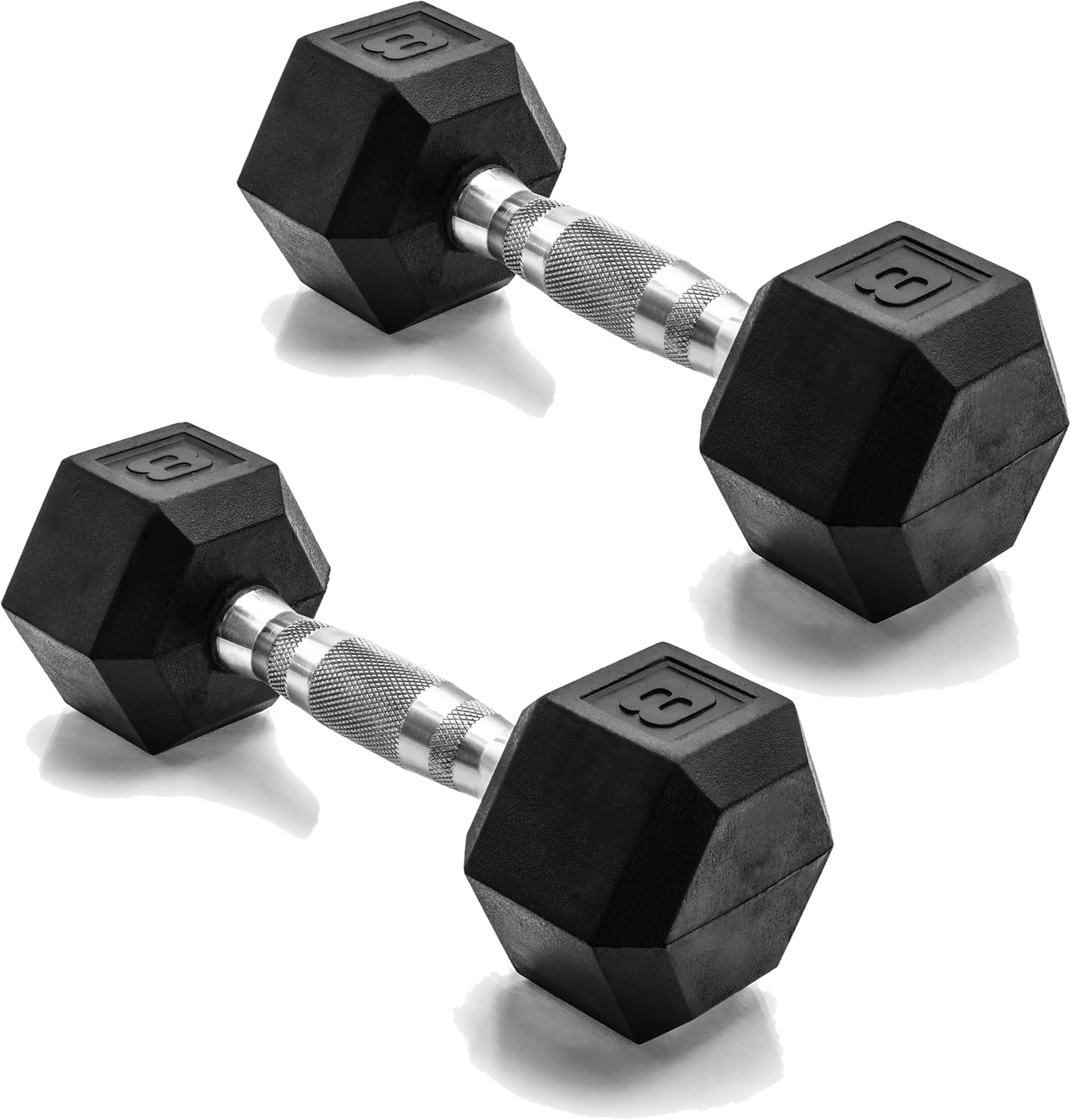
Rubber coated hex dumbbells are the least exciting purchase in this article and the ones you will touch most. Hex heads do not roll across the floor when you set them down between sets. The rubber coating protects concrete and takes the ring out of a dropped set. Chrome and comfort grip handles are the standard here, and they hold up to chalk and sweaty hands.
These come in pairs and sets, which is the point. Buy the weights you actually use, not the weights that make a rack look complete. For most people that is two or three moderate pairs for warm-ups, drop sets, and the movements where stopping to change a dial wastes half a set.
The place fixed dumbbells beat every dial set is tempo work. Supersets, drop sets, and anything where you move from one weight to the next with no break. A dial set makes you stop and think. A pair of hex dumbbells just sits there and waits.
How I judge a rack and a set of dumbbells
Four questions, every time.
- What gauge is the steel, really? Sticker or calipers.
- Where are the welds, and do they penetrate or just look pretty?
- What happens at the rated capacity? Does it wobble, bow, or hold?
- Would I trust it to catch a missed rep at my working weight?
For a rack, that means checking the base joints first, then the hardware, then the hooks and safety arms. For dumbbells, it means checking the mechanism, the handle, and whether the set comes with a tray. A dumbbell set with no tray is a pile of loose plates waiting to happen.
Analysis: what the specs actually tell you
A 600 lb rating on a rack is worth more than a 1,000 lb rating on thinner steel. If you squat 315, you do not need a rack rated for 1,000 lb. You need one that does not wobble at 315, and the number printed on the box is not how you find that out. Tube gauge and weld quality are how you find that out.
The same logic runs through dumbbells. The NUOBELL set reaches 100 lb per hand, which is a serious ceiling for a home gym, and the ALTLER set stops at 52. Neither number is good or bad on its own. The question is where your training actually lives. Accessory work lives at 25 to 50 lb for most people. Pressing and rowing live higher, and they climb over time.
There is a mix question here too. Adjustable dumbbells are a space solution. Fixed hex dumbbells are a speed solution. A garage with one dial set and two pairs of hex dumbbells handles more workouts than a garage with four dial sets, because the fixed pairs never need to be adjusted mid-set.
The home gym reference table
| Product | Type | Weight range or rating | Best role | Watch out for |
|---|---|---|---|---|
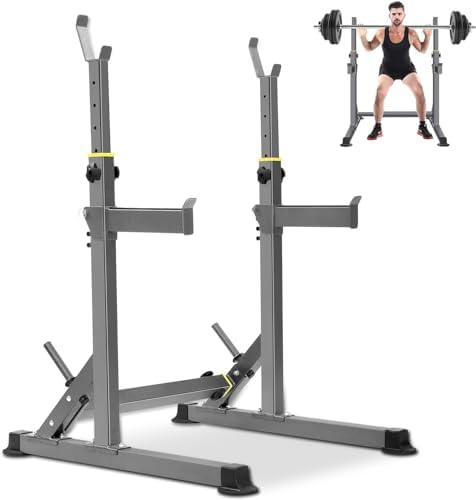 Visit on Amazon → Visit on Amazon →K KiNGKANG Squat Rack |
Adjustable squat rack | 600 lb rated, adjustable | Squat and bench work in a small footprint | Check hardware and base welds, bolt down if you can |
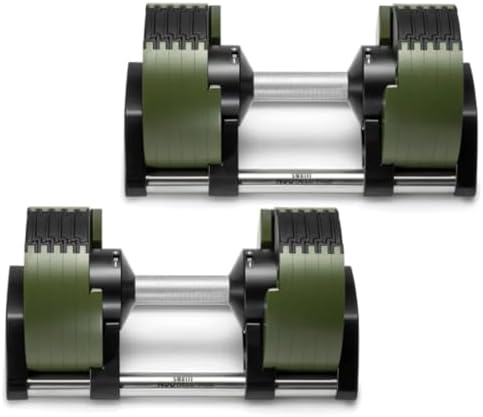 Visit on Amazon → Visit on Amazon →SMRTFT NUOBELL Adjustable Dumbbells |
Dial adjustable dumbbells, pair | 5 to 100 lb per hand, 26 weights in 1 | One pair for everything, space saving | Do not drop a dial set |
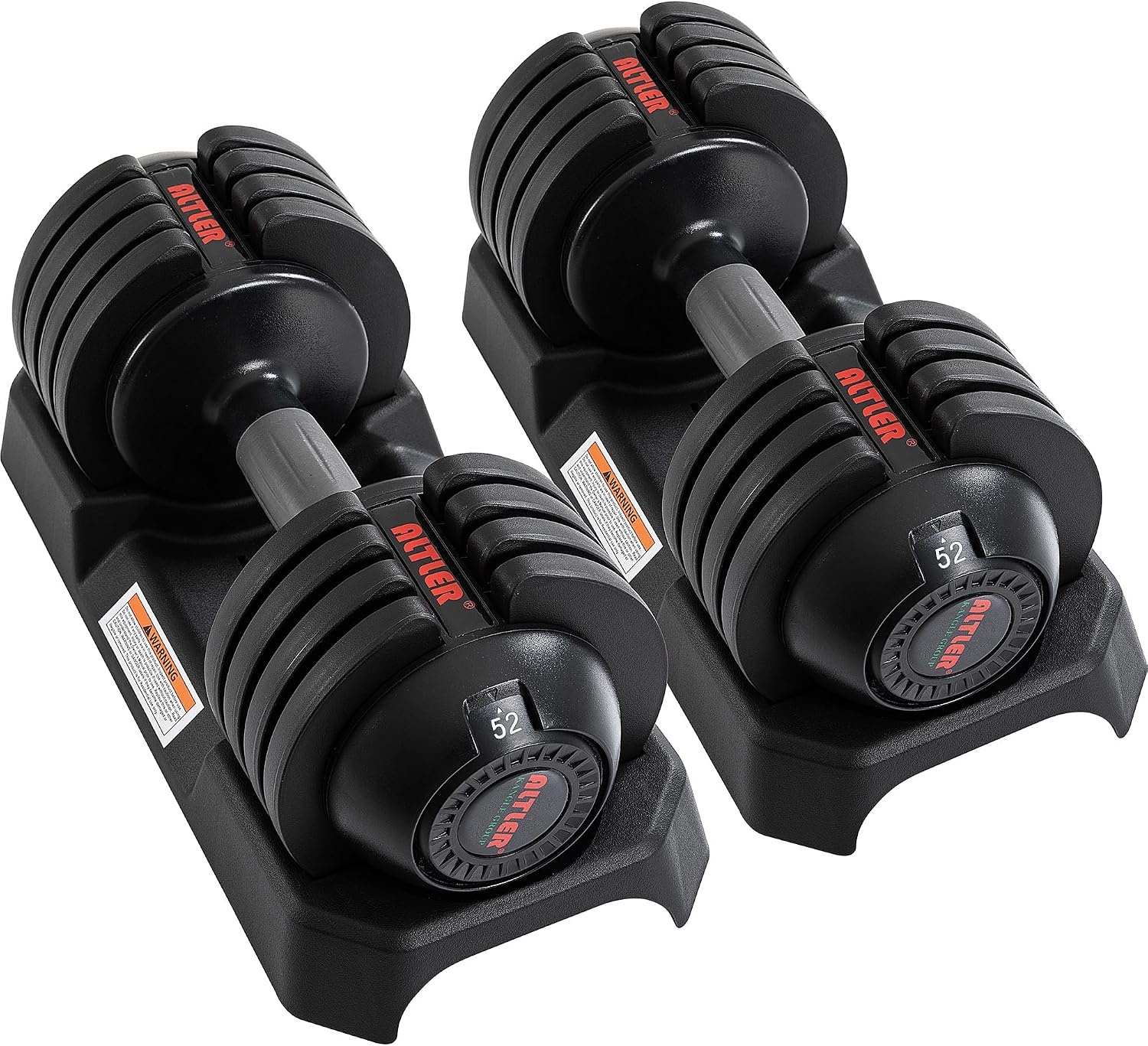 Visit on Amazon → Visit on Amazon →ALTLER Adjustable Dumbbell Set |
Dial adjustable dumbbells, pair with tray | 25 to 52 lb per hand | Accessory work, curls, raises, split squats | Outgrown quickly by heavy pressers |
 Visit on Amazon → Visit on Amazon →CAP Rubber Coated Hex Dumbbells |
Fixed rubber coated hex dumbbells | Pairs and sets | Supersets, drop sets, warm-ups | Buy only the weights you use |
The table is the short version. The rack decision comes down to whether the steel and the hardware back up the sticker, and the dumbbell decision comes down to where your training actually lives.
Should you buy the K KiNGKANG squat rack?
Yes, if your working squat sits between 225 and 405 lb and you want adjustability without paying for steel you will never load. It covers squat and bench work in a footprint that fits a one-car garage, and the adjustable uprights mean it does not become a single-purpose rack.
Check the base welds and the bolt grade before you trust the capacity sticker, and bolt it into a slab if you can. A rack that wobbles at 315 will hurt you at 405. There is no negotiation on that.
Should you buy the NUOBELL adjustable dumbbells?
Yes, if you need one pair that covers 5 to 100 lb per hand and floor space is the constraint you are actually fighting. It replaces 26 pairs of dumbbells, the handle is steel-knurled, and the 2-year warranty tells you the maker expects the mechanism to survive normal use.
The one rule is that dial mechanisms do not get dropped. Set the weight down between sets and this set will outlast most of the other equipment in your garage.
Should you buy the ALTLER adjustable dumbbell set?
Yes, if you want a dial set for accessory work and 52 lb per hand covers your curls, raises, and split squats. The tray is a genuine benefit in a garage, not a throwaway, and the anti-slip handle does the work on high-rep sets where your grip is the limiting factor.
No, if dumbbells are going to be your primary upper body lift. You will outgrow the ceiling in months and end up buying twice.
Should you buy the CAP rubber coated hex dumbbells?
Yes. Buy two or three pairs of the weights you actually use for warm-ups, drop sets, and supersets. Hex heads do not roll, the rubber protects your slab, and fixed pairs never need to be adjusted mid-set, which is exactly where a dial set slows you down.
The rack is the piece that has to hold when everything else fails. The dumbbells are the pieces you will touch every session. Get the rack right, then spend what is left on the weights you will actually pick up.