I built my garage gym in Charlotte bolt by bolt after my old gym doubled its membership price in 2019, and before that I spent four years as a welder's apprentice, which is why I read a weld the way most people read a spec sheet. There is a grease-pencil logbook on my workbench with tube gauge, weld penetration, bolt torque, and the exact weight where the wobble started for every rack that has been through this garage. This home gym rack and bench comparison is the version of that conversation I have with friends who text me a photo of a rack and ask whether it is fine.
Related: How to Anchor a Power Rack Into Concrete Without Cracking the Slab
The piece to buy first is the CAP Barbell FM-8000F Deluxe Power Rack, because it is the only item in this group that stands between a failed rep and your neck. Everything else here is support equipment. The floor protects the slab, the bench holds you while you press, and the dumbbells fill the gaps a barbell cannot reach. Buy them in that order of importance, not in the order they land in your cart.
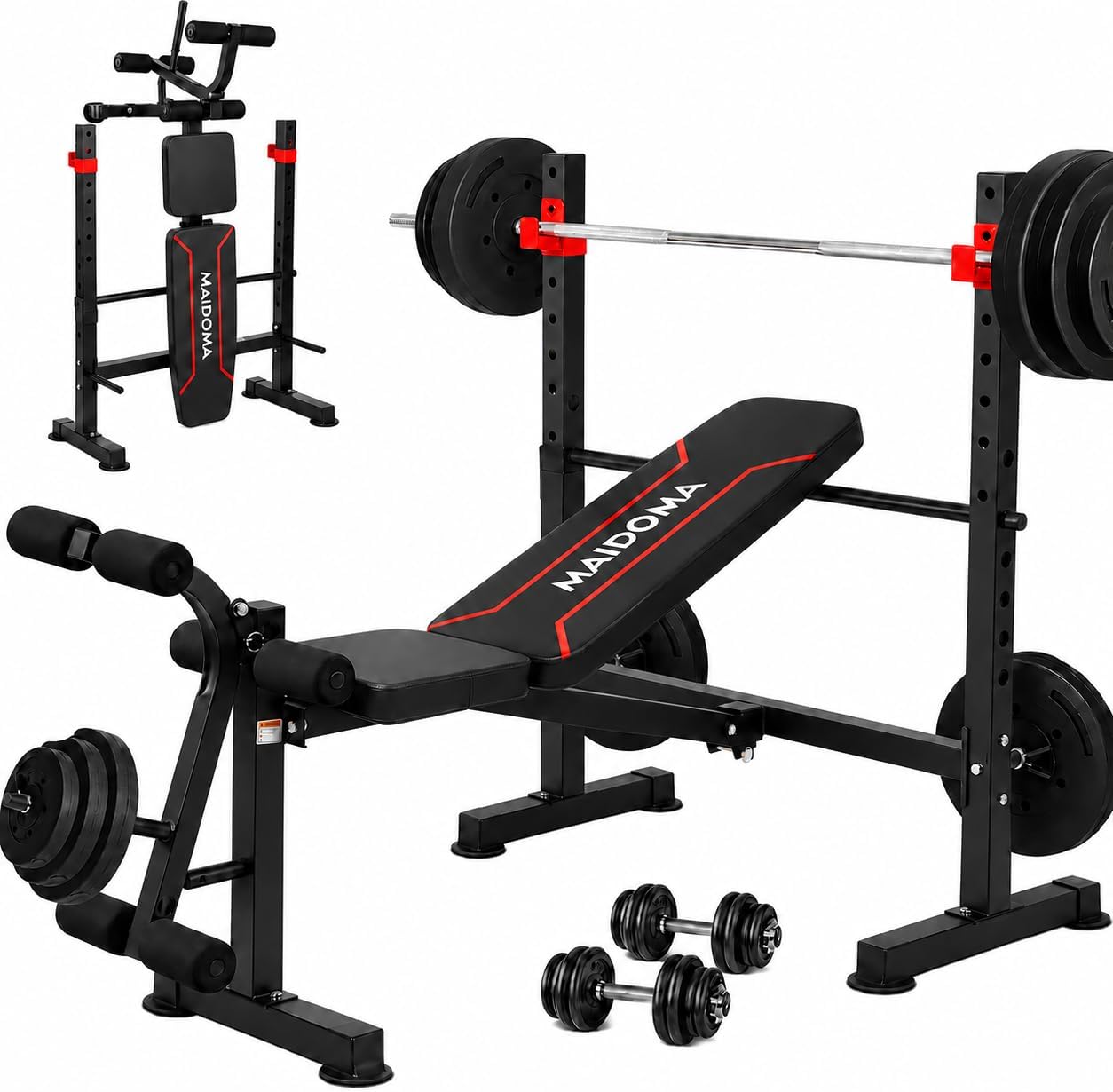
MAIDOMA Foldable 1500LBS Capacity 8 IN 1 Weight Bench Set with Leg Extension/Squat Rack/Preacher Curl, Adjustable Bench Press for Home Gym Full Body Workout (US Stock)
One purchase covers flat and incline pressing, a leg extension, a preacher curl station, and a squat stand, and it folds down when the car needs the bay back
Multi-purpose frames push squat-stand stress and bench stress through the same joints, and the 1,500 lb figure on the box is a sticker, not a weld inspection
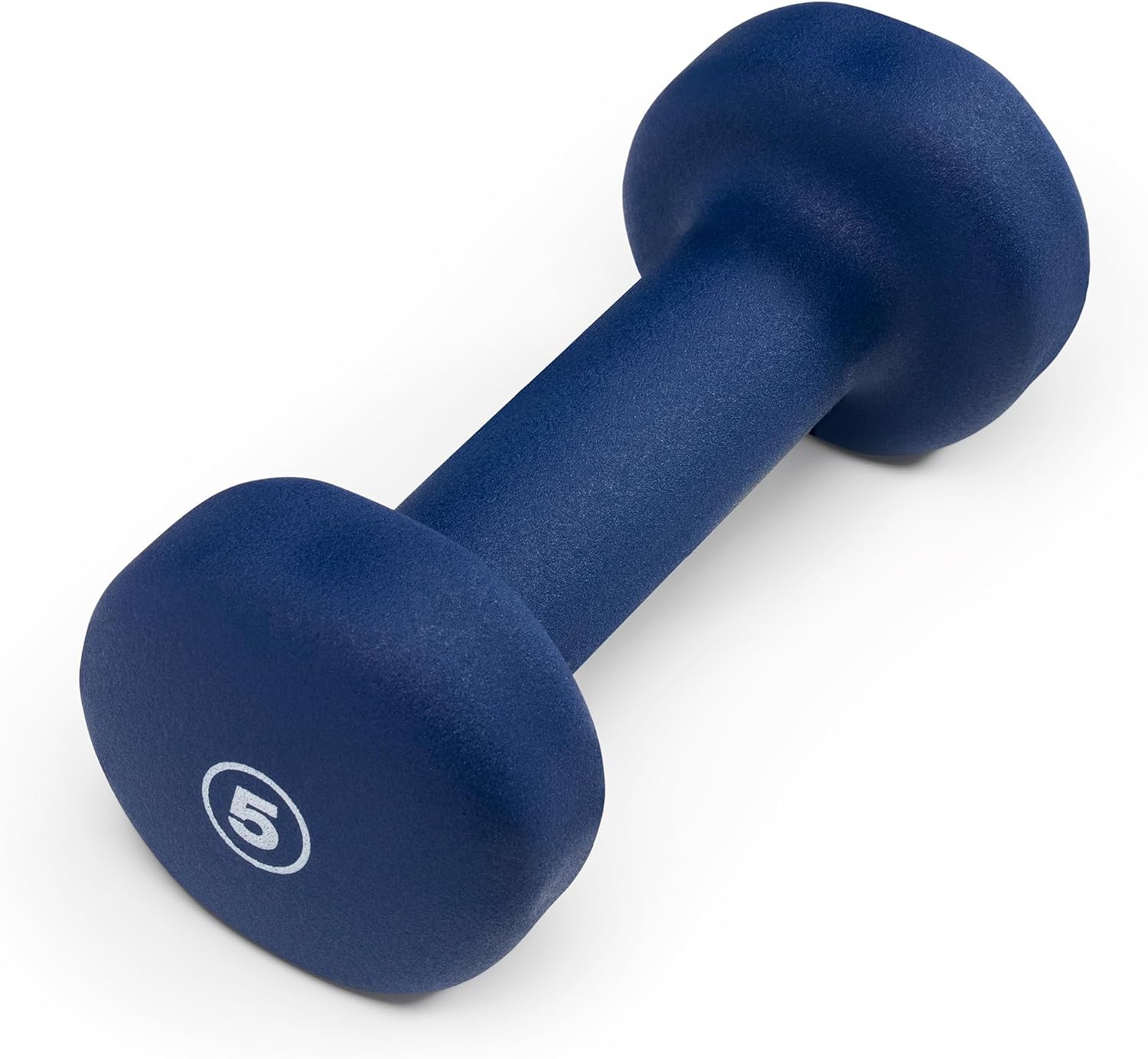
Marcy Colored Neoprene Dumbbell Hand Weights, Exercise Free Weights for Home Gym - Sold in Singles
Neoprene is quiet on a slab, the color coding makes a rack of them readable at a glance, and singles let you build a set one weight at a time
Sold in singles, so a matched pair costs double, and coated fixed dumbbells have a ceiling well below anything you would load on a bar
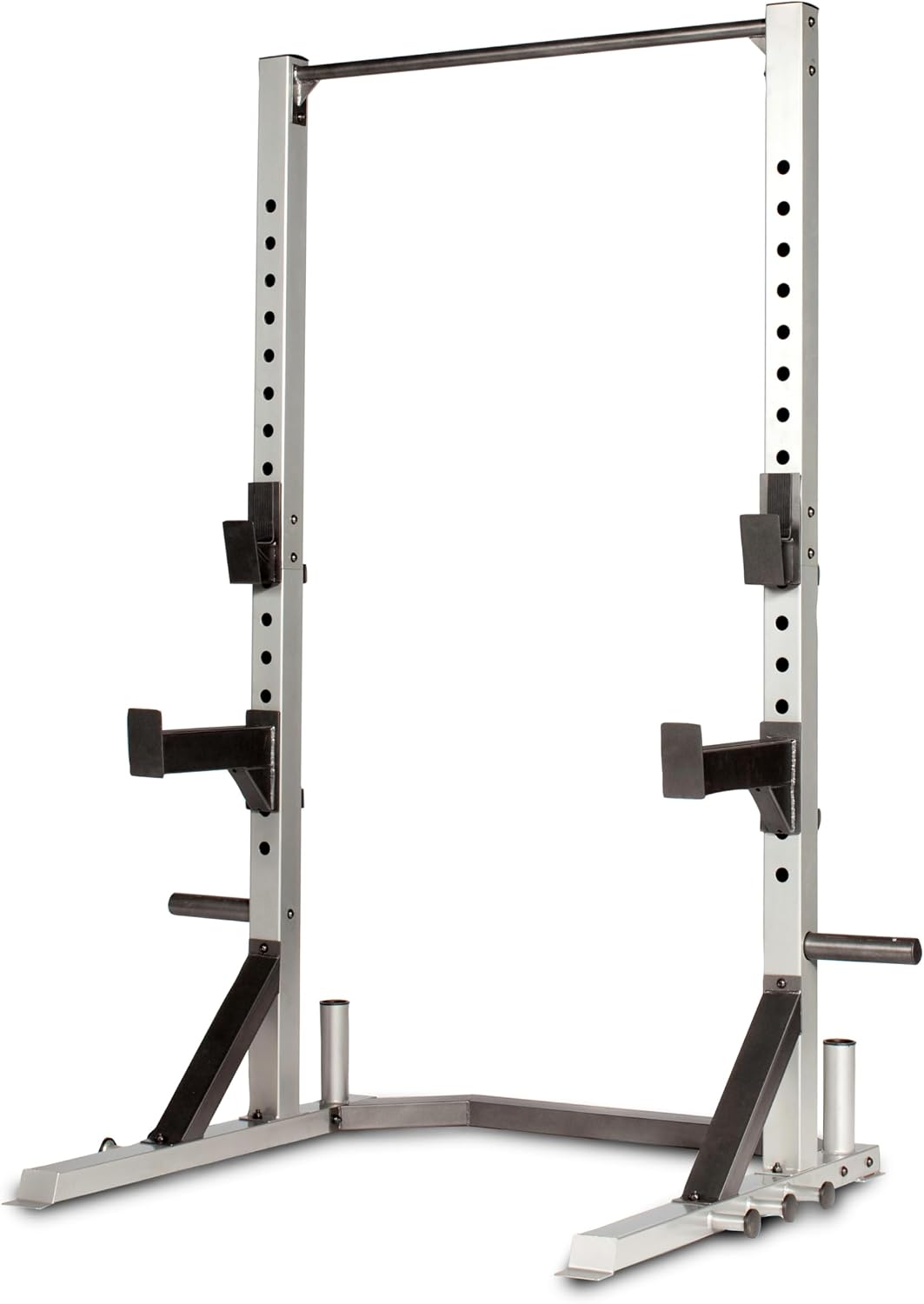
CAP Barbell FM-8000F Deluxe Power Rack Color Series
A full cage with uprights and j-hooks that carry a loaded bar over your face, which is the one job nothing else on this list can do
It owns a permanent corner of the garage, and the Color Series finish is cosmetic, so the welds and the hardware are what you are actually paying for
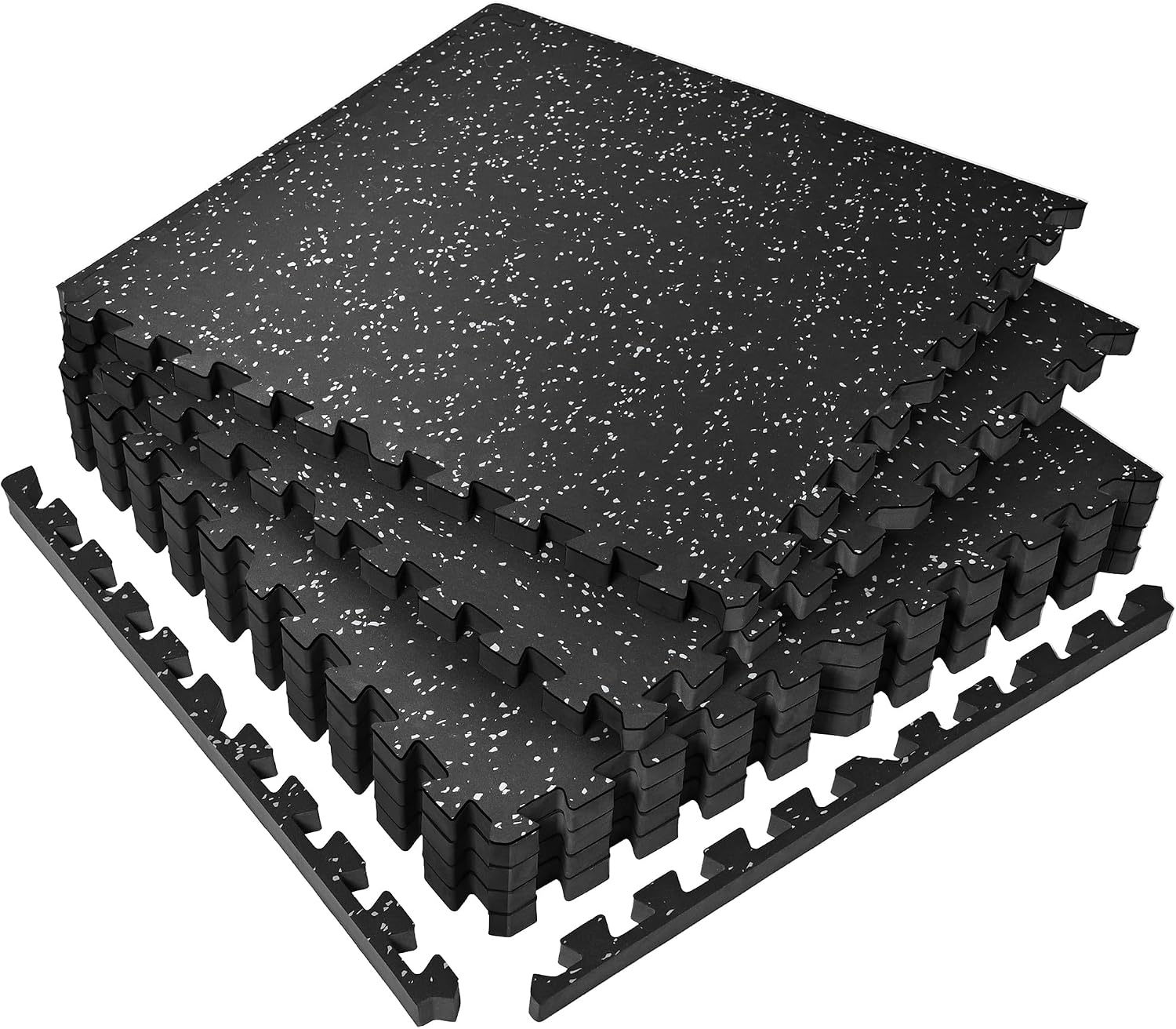
SUPERJARE 0.56'' Thick 24 Sq Ft Rubber Top Gym Flooring for Home Gym
A 0.56 inch rubber top over 24 sq ft takes the chips and the ring out of a concrete slab, and it goes down in minutes with no adhesive
24 sq ft is one small platform rather than a gym floor, and tile that thick under a rack foot can make a flat-foot rack feel like it is rocking
Prices and availability were captured from Amazon Creators API and may change.
Three questions I ask before anything heavy comes home
Every rack that has been through my garage got the same three questions, and I have never found a fourth that mattered more.
Where does the load path end? A bar in the j-hooks sends weight down the uprights into the feet and then into whatever is under the feet. If that chain is interrupted by a thin tube, a stamped bracket, or a floor that flexes, the wobble shows up at the top, where your hands are. That is why the floor and the rack get decided together, not separately.
What happens when the rep fails? I have failed a squat at 495 and the safety bars caught it. That is the entire job description of a rack. A rack that wobbles at 315 will not magically stiffen at 405, and there is no negotiation on that point.
What do I have to redo if I upgrade? The floor stays. The rack stays. The bench gets replaced first, because the bench is where people cheap out and it is the second most dangerous thing in the gym after the rack. A folding bench set that also tries to be a squat stand is the most likely item on this list to get swapped out in two years, and you should know that going in.
The rack: CAP Barbell FM-8000F Deluxe Power Rack
This is the anchor of the whole setup. A full cage gives you uprights to rack a bar on, j-hooks to hold it, and a frame that surrounds you when you are under a load you might not finish. Nothing else on this list can substitute for that.
What I would check before the box gets opened: the j-hooks, because a hook with no lip tips when you re-rack crooked, and that is a terrifying two seconds. The hardware, because a rack that ships with soft bolts is a rack that loosens itself over a year of use. And the base, because a flat-foot rack is easier on a rental garage and a bolted base is better if you own the slab and plan to stay. CAP does not hand you a weld map, so you inspect the frame yourself: look at the underside of the crossmembers where the powder coat is thinnest, and look for a bead that fuses into both pieces of steel instead of sitting on top of them like a decoration.
What it costs you is space. A cage takes a permanent footprint, and the Color Series finish does not change the steel underneath it, so do not let a colorway talk you into a frame you have not looked at closely. If the frame is right, the color is a bonus.
The folding bench set: MAIDOMA 8 IN 1
The MAIDOMA set is the most interesting item here because it is doing five jobs at once. Flat bench, incline bench, leg extension, preacher curl, and a squat stand, and it folds up when the garage has to be a garage again. For a one-car bay, a spare room, or a shared space where nothing can be permanent, that combination is genuinely useful. Singles and pairs of dumbbells work fine on it, and so does a bar for lighter pressing.
Here is my problem with it, and it is the same problem I have with every multi-station frame. The joints do not know which exercise you are doing. A squat stand sees load straight down through the uprights. A bench sees load through the pad and the hinge. A preacher station sees load pulling sideways. When one frame handles all of them, the pivot points and the pins become the weak link, and pivot points are exactly where flex starts.
The "1,500 lb capacity" label deserves the same treatment I give every capacity sticker: it is a claim, and the way to check a claim is against the tube gauge and the welds, not against the font size on the box. I have never repeated a capacity number without putting it next to the steel that is supposed to deliver it, and neither should you. Buy it for dumbbell work, incline pressing, leg extensions, and curl work, and treat the squat-rack function as a convenience rather than a cage replacement.
If your plan includes heavy barbell squats and a bench press you might fail, buy the rack first and the bench second. If your plan is a full-body dumbbell program in a space that has to stay clean, this set covers more ground per square foot than anything else here.
The dumbbells: Marcy neoprene, sold in singles
The detail that matters most is in the name. These are sold in singles. One dumbbell is a doorstop. A pair is a training tool, so budget for two of every weight you want, and check the current Amazon price with that doubling already in your head.
Neoprene coating is the right call for a home gym with a concrete floor or a rubber tile over it. It does not chew up the floor when you set it down between sets, it does not ring the way bare hex iron does, and the color coding makes a shelf of them readable from across the room. For warm-up sets, lateral raises, curls, rear delt work, and the kind of accessory volume that keeps a squat from stalling, they do exactly what they should.
What they will not do is replace a bar. There is a ceiling on fixed dumbbells, and it sits below anything you would load on a barbell for a working set. Think of these as the last purchase in the sequence, the one that fills in the gaps once the rack and the bench are already standing.
The floor: SUPERJARE 0.56 inch rubber top, 24 sq ft
Concrete is not a gym floor. It chips when you drop a plate on it, it rings, and in a Charlotte garage in January it is unforgiving enough that you will start setting weights down gently, which is exactly the habit you do not want under a heavy pull.
The SUPERJARE tile is 0.56 inch thick with a rubber top, and it covers 24 sq ft. That is a platform, not a gym. Before you buy, measure the footprint of the rack, add the length of the bench when it is flat, and add the walkway you actually use when you load a bar. Most garage setups want two or three of these, and buying one and discovering the shortfall mid-install is a bad afternoon.
One honest warning from someone who has bolted things to slabs: a thick rubber tile under the foot of a flat-foot rack can introduce a rock that was not there on bare concrete. If you are bolting the rack down, put the anchors through the tile or cut around the feet. If you are not bolting it down, a rack on a soft surface will move slightly more than the same rack on a slab, and you should know that before you load it.
The order I would buy them in
Floor first, if the rack is going on concrete. It is the cheapest item here, it goes down without help, and it protects the slab under everything that comes later.
Rack second. It is the safety device. Buy it before the bench, before the dumbbells, and before the accessories you are already browsing. If you only have room in the budget for one big purchase this year, this is the one.
Bench third. The MAIDOMA set folds away, which makes it the practical pick for a shared space, and the adjustable positions let you press at angles a flat bench cannot reach. Just keep the heavy squatting inside the cage.
Dumbbells last. Buy them in pairs, buy the weights you will actually use, and accept that you will add more of them over time.
What I would never compromise on
Grade-8 or better hardware, because a rack that ships with soft bolts will loosen and stay loose. J-hooks with a lip, because a tipped hook at the wrong moment is how people get hurt re-racking. Safety bars or spotter arms that are rated at or above what you actually squat, not what you plan to squat. A bench that does not rock side to side on flat pressing, because that wobble is the first thing that shows up and the last thing you fix. And anchors, if the rack can be anchored and the slab allows it.
The rule I keep coming back to is simple. You are not buying steel, you are buying the welds, and you are not buying a capacity, you are buying the frame that has to deliver it. A rack that wobbles at 315 will not save you at 405. Buy the one that does not wobble.
The bottom line
Start with the CAP Barbell FM-8000F Deluxe Power Rack if you plan to squat and press under a bar, because it is the only piece here whose failure mode involves your spine. Add the SUPERJARE flooring underneath it so the slab survives the next ten years. Bring in the MAIDOMA folding bench set if space is tight or if your training is dumbbell-led, and understand its limits before you trust it with a heavy squat. Finish with Marcy neoprene dumbbells, bought in pairs, for everything a bar cannot reach.
Check current Amazon price on each piece before you commit, and check the welds when the boxes arrive. The rack is the one thing in your gym that has to outlive every other piece you own.